The Hidden Revenue in Multilingual Customer Service
In 42% of US metro areas, non-English speakers represent the fastest-growing segment of homeowners. If your business can't serve them, your competitor will.

According to recent census data, over 67 million US residents speak a language other than English at home. In major metros like Miami, Houston, Los Angeles, and New York, Spanish-speaking homeowners represent 30-50% of the addressable market. Yet the vast majority of contractors have zero infrastructure to serve these customers.
The Silent Dropout
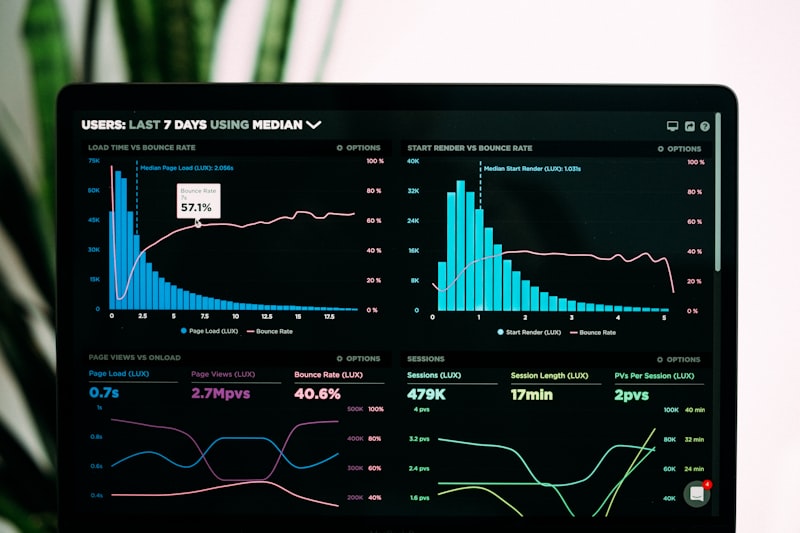
When a Spanish-speaking homeowner lands on an English-only website and encounters an English-only chat widget, they leave. There's no error message, no bounce notification—they simply disappear from your analytics as an anonymous session. You never know the lead existed.
The same pattern repeats over the phone. A caller who can't communicate their emergency in English hangs up and calls the next number. That's a $5,000 HVAC replacement or a $12,000 roof job walking straight to a competitor.
AI as the Universal Translator
Modern agents auto-detect the caller's language and respond fluently in kind. No button presses, no 'press 2 for Spanish'—just seamless, natural conversation in whatever language the customer is most comfortable with.
For businesses in diverse markets, this isn't a nice-to-have feature. It's an immediate revenue unlock. Contractors who deploy multilingual agents consistently report a 15-25% increase in total lead volume within the first 90 days, simply by capturing customers that were previously invisible.